
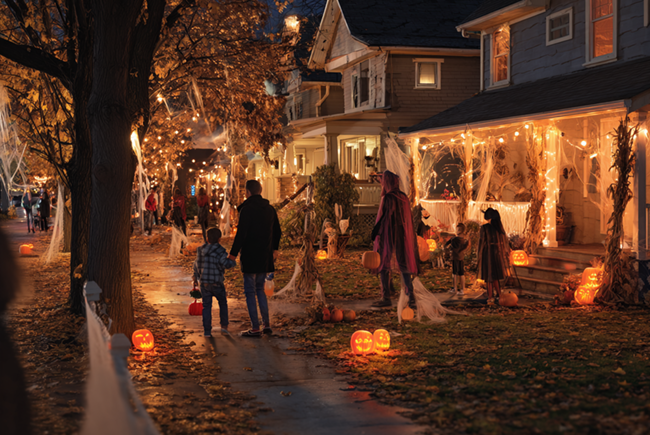
Halloween in Newton and the Greater Boston area is a time for creativity, laughter, and sweet treats, but safety should always come first. At Essential Pediatrics, we care about helping families enjoy a fun, worry-free Halloween. Whether your child is trick-or-treating in your Newton neighborhood, visiting friends in Brookline, or attending fall events around Boston, these pediatric safety tips will help keep everyone healthy and happy.
1. Costume Safety
- Choose Flame-Resistant Materials: Make sure costumes and accessories are labeled as flame-resistant to reduce fire hazards from candles and open flames.
- Fit and Visibility: Select brightly colored costumes that fit well and avoid trailing fabric and oversized shoes to minimize the risk of tripping. Consider face paint as a safer alternative to a mask. If a mask is used, it should allow clear vision and easy breathing.
- Reflective Elements: Add reflective tape to costumes and trick-or-treat bags, and use glow sticks as a festive accessory to increase visibility at night. Carrying a flashlight also increases safety (make sure you test the batteries!).
- Patch Test Face Paint and Makeup: Choose products that are labeled as non-toxic and specifically designed for use on skin. At least 24 hours in advance of Halloween, test a small amount of face paint or makeup on your child’s inner arm to check for any allergic reactions or skin sensitivities. If a rash, redness, swelling, or itching develops, do not use the product on your child’s face or body. Remember to remove all face paint and makeup before bed.
- Safe Accessories: Select soft, flexible materials for swords, wands, and other costume accessories. Sharp or pointed props can lead to unintentional injury, and long objects can increase the risk of tripping.
2. Trick-or-Treating Safety
- Adult Supervision: Children under 12 should always be accompanied by a trusted adult. Trick-or-treat in groups in well-lit areas.
- Street Safety: Remind children to stay on sidewalks, cross streets at corners with others and not in between parked cars, and obey traffic signals. Instruct them to look both ways before crossing and never assume cars will stop for them!
- Route Planning: Plan your route in advance and agree on a return time. Share the route with family members and ensure children carry a cell phone if possible, or have your phone number memorized well in advance of the evening. Teach them to call 9-1-1 if there is ever an emergency.
- Stranger Awareness: Remind children not to enter strangers’ homes or cars and to avoid remote or poorly lit areas.
3. Treat Safety
- Examine Before Eating: Look through all treats before allowing children to eat them. Throw away anything unwrapped, has torn packaging, or looks suspicious.
- Beware of Allergens: Review the ingredient labels for your child’s treats, as many candies contain common allergens, including nuts, soy, milk, eggs, or gluten. Be especially mindful of homemade treats or baked goods. While trick-or-treating, carry emergency medications, such as epinephrine auto-injectors, if applicable.
- Choking Hazards: Discard small candies or toys that could pose a choking risk, especially for younger children under the age of 4. Toys such as plastic rings, bouncy balls, miniature figurines, and even candy wrappers can be easily swallowed or become lodged in a child's throat. Similarly, hard candies, popcorn, gum, whole nuts, chewy candies like taffy, and candies such as jawbreakers, jellybeans, or gum balls should be kept out of reach of young children.
- Set daily candy limits: Before the festivities begin, discuss with your child how much candy they will eat and when to help them develop healthy eating habits. Ensure your child eats a full meal before trick-or-treating to help limit overconsumption of candy (and meltdowns!) on Halloween.
4. General Health
- Hand Hygiene: Remind kids to wash their hands before eating treats, especially after trick-or-treating.
- Weather Preparedness: Dress children appropriately for the weather, using layers if needed. Keep an eye on the temperature and forecast.
- Hydration: Bring plenty of water while trick-or-treating and offer it to your child frequently.
5. Home and Neighborhood Safety
- Safe Decorations: Place decorations and jack-o'-lanterns away from walkways to prevent tripping. Opt for battery-operated candles instead of open flames.
- Pet Safety: While pets are often an essential part of Halloween festivities, consider keeping your furry friends indoors and away from trick-or-treaters to avoid accidental bites, escapes, or undue anxiety for the pet or visiting children.
- Lighting: Ensure the outside of your home is well-lit and fallen leaves are cleared from walkways and driveways to prevent accidents for visiting superheroes, ghosts, and goblins.
6. Advice for Children with Special Health Care Needs
- Personalized Planning: Choose Halloween activities that cater to your child’s specific needs, sensitivities, and routines, such as a night of trick-or-treating, a scavenger hunt at home, or a trunk-or-treat event.
- Communicate: Discuss any special accommodations your child may have with teachers, neighbors, and friends. For children who are non-verbal, consider making a Halloween-themed card they can hand out that says “trick-or-treat” or “thank you.”
- Medical Supplies: Ensure necessary medical equipment and medications are readily available while out or participating in events.
- Food Safety: If your child has dietary restrictions or a feeding tube, plan alternatives to candy treats. Participate in non-food activities or bring safe snacks from home.
- Non-Food Treats: Follow the lead of the Teal Pumpkin Project, which promotes offering festive non-food items rather than candy from a separate bowl. Items such as glow sticks, temporary tattoos, stickers, bubbles, bouncy balls, playdough, pencils, and Halloween-themed stamps can be an excellent way for all children to enjoy the festivities, regardless of their dietary restrictions or health concerns.
- Costume Comfort: Select costumes that are easy to put on and accommodate mobility aids, sensory issues, or medical devices. Consider doing a “dress rehearsal” to check for comfort and fit.
- Prepare for Sensory Challenges: For children who are sensitive to noise, crowds, or bright lights, consider bringing noise-cancelling headphones, sunglasses, or comfort items, and incorporate these items into your child’s costume. Plan breaks and have a quiet space available if needed.
- Practice: To reduce possible anxiety and increase enjoyment, practice the expected steps of the night well in advance by ringing the doorbell, saying trick-or-treat, and reading age-appropriate stories that explain Halloween.
7. Halloween Safety Advice for Teenagers
- Group Activities: Encourage teens to go out with friends and stick together. Traveling in groups is safer and ensures that someone is always nearby in case of an emergency.
- Communication: Teens should keep their cell phones charged and share their location with a trusted adult. Set clear curfew times and check in periodically throughout the evening.
- Road Safety: Remind teenagers to use crosswalks, obey traffic signals, and stay alert while walking. Avoid distractions from phones or headphones when crossing streets.
- Responsible Choices: Discuss the risks of pranks, vandalism, and substance use. Emphasize the importance of respecting others’ property and following local laws.
- Safe Transportation: If driving, remind teens to avoid distractions and never drive under the influence. If using rideshares, confirm driver details before getting in the car.
- Non-Alcoholic Drink Safety: At Halloween parties and gatherings, encourage teens to keep an eye on their beverages. Remind them never to leave drinks unattended and to accept drinks only from trusted sources. Being vigilant helps prevent accidental contamination or tampering, ensuring everyone enjoys a safe and fun celebration.
- Candy safety: Cannabis edibles can look like regular candy, so discuss with your adolescent the importance of inspecting any treats they consume.
With these helpful tips, everyone can enjoy a safe and memorable Halloween. Families in Newton, Boston, and nearby communities can schedule a consultation with Essential Pediatrics to prepare for a safe and healthy celebration.