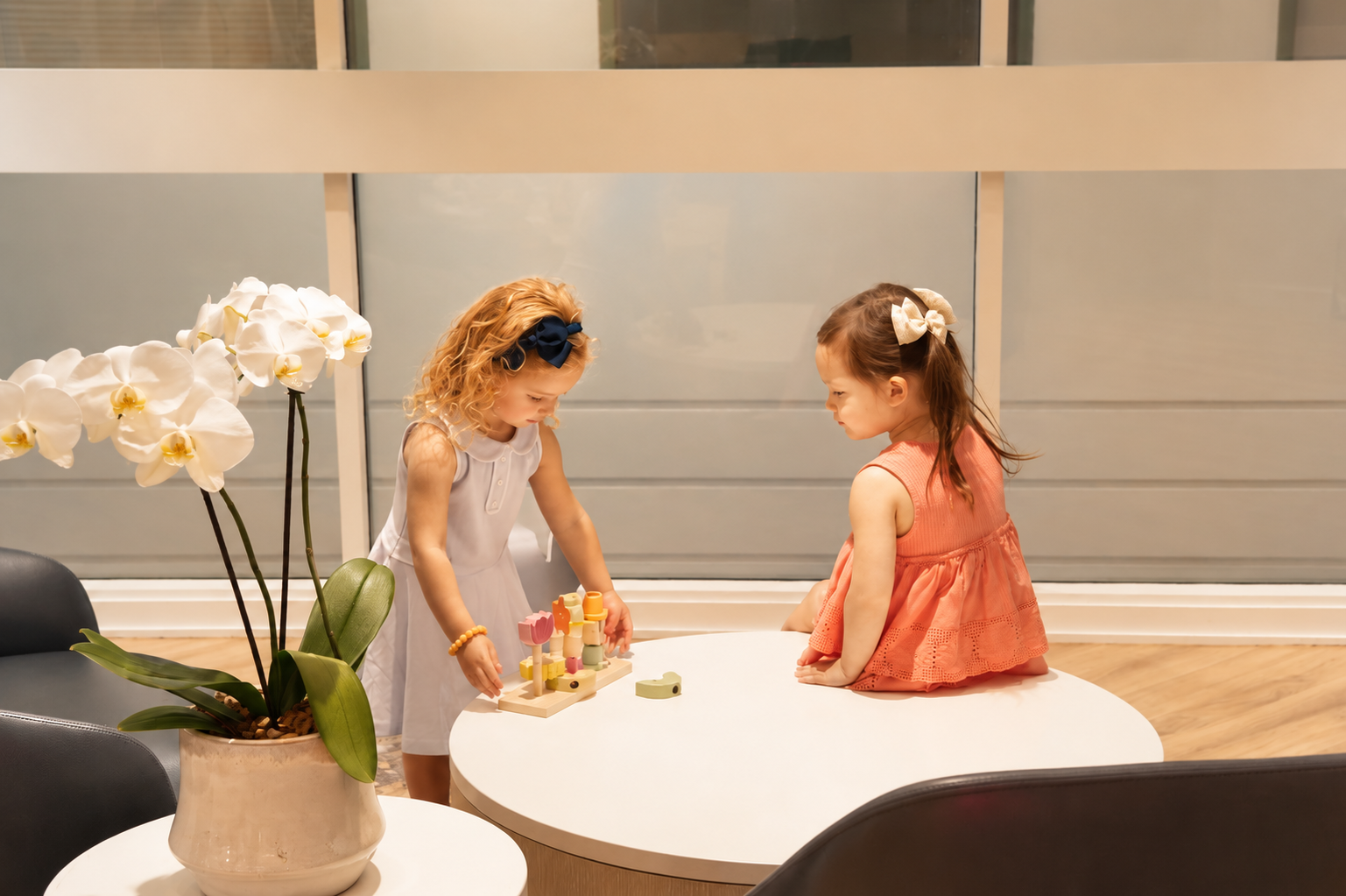

Screens are part of childhood now, and they are neither all good nor all bad. The first thing worth knowing is that the old question, “how many hours is safe,” turns out to be the wrong one. What matters more is your child, what they are watching or doing, and what the screen is taking the place of.
This guide is built on the current guidance from the American Academy of Pediatrics, along with the CDC and major children’s hospitals. The AAP’s updated 2026 guidance places less emphasis on a single time limit and more on the quality of the media, the individual child, and what screen use is replacing. Here is what that means for your family.
What does “screen time” actually mean?
Screen time is not one thing, and treating it as one number hides what counts. A video call with grandparents, a co-viewed nature show, a math app, an hour of autoplay short videos, and late-night social media are all “screen time,” but they affect a child in very different ways.
That is the shift in current pediatric guidance. The focus has moved from counting minutes to looking at the kind of use: who your child is, what the content is, whether the screen is replacing sleep or play, and whether you and your child talk about it. A screen built to keep your child scrolling is not the same as one that connects them to a person or teaches them something. The design of many apps, with autoplay, endless feeds, and targeted ads, is built to hold attention, not to support a child. Knowing that helps you judge use more accurately than a stopwatch can.
How much is too much?
There is no single number of hours that is right for every child. For the youngest children, age-based guidance still helps. For older children and teens, the better measure is what the screen is displacing.
Here is the age guidance that still holds:
- Under 18 months. Skip screens other than live video chatting. Babies learn from real faces and real objects, and they have trouble making sense of a screen unless an adult explains it. Video chat is the exception because it is a real back-and-forth with a person.
- 18 to 24 months. If you introduce media, choose high-quality content and watch it together. Co-viewing is what makes it useful at this age.
- 2 to 5 years. A reasonable target is about an hour a day of high-quality programming, watched with you when possible. Treat that as a goal, not a hard line, and adjust it to your week.
- 6 and older. No single number fits. Set consistent limits and protect the things screens tend to crowd out: sleep, physical activity, schoolwork, and time with people. Judge by whether use is interfering with those, not by the clock alone.
Recent CDC data gives a useful warning sign for older kids. Teens who get four or more hours a day of non-school screen time report more trouble with sleep, more weight concerns, and more symptoms of anxiety and depression. That study cannot prove screens caused those problems, and it did not separate good content from bad. Use four hours as a flag worth paying attention to, not a cliff. The number is an average across many teens, and individual children vary widely, so weigh it against how your own child is doing.
The single most useful habit is to watch the child, not the number. A child who sleeps well, moves, has friends, does their schoolwork, and can put the screen down is doing fine, whatever the total reads. A child who is losing those things needs a change, even if the number looks modest.
What actually matters: the 5 Cs
The AAP now organizes screen use around five questions, an easy way to judge a child’s media life without a stopwatch. Run through these.
- Child. Who is your child, and how does media affect this specific kid? The same app helps one child and hooks another. Some children, including many children with autism or ADHD, use screens to connect, learn, and feel calmer, and for them a flat rule can miss the point. Start from your child, not a chart.
- Content. Quality matters more than length. High-quality content is slower-paced, age-appropriate, and made for children, like PBS Kids or Sesame Workshop, a creative drawing app, or a video call with family. That is different from violent content, autoplay short video, and feeds built around appearance and comparison. To check whether a show, game, or app is worth your child’s time, Common Sense Media rates them by age and content.
- Calm. Notice if a device has become the main way your child settles down. Occasional use to get through a hard moment is normal life. But if your child cannot wait, transition, eat, or fall asleep without a screen, that is worth addressing, because those are skills they build by practicing them.
- Crowding Out. Ask what the screen is replacing. The clearest harm from screens is usually not the screen itself, it is the sleep, play, reading, outdoor time, and conversation it pushes out. Rather than only cutting time, decide what you want back.
- Communication. Talk about media early and keep talking. This is how children build judgment about what they see, and it is how you find out when something is wrong. Ask what they watched, what was funny, and what felt off.
What can I do at home?
Set up the environment so the easy choice is the healthy one. These steps come up across the AAP, Mayo Clinic, and the major children’s hospitals.
- Protect sleep first. Keep screens out of bedrooms and have everyone charge devices outside the bedroom overnight. Avoid screens for about an hour before bed. Sleep is the thing screens most often steal, and short sleep then drives more screen use the next day, so this one change pays off twice.
- Make screen-free zones and times. Meals and bedrooms are the place to start. A device-free dinner is one of the highest-value habits you can set.
- Turn off the features built to pull kids in. Switch off autoplay and silence notifications. This removes the hooks that keep a child watching past what they meant to.
- Co-view with younger children. Watch with them and ask questions. It turns passive watching into something closer to learning and connection.
- Turn off background TV. A TV on in the background pulls a young child’s attention away from play and from the words being spoken around them.
- Model what you want to see. Your habits shape your child’s more than your rules do. Put your own phone away at meals and during play. When you are on your device while interacting with your child, the conversation between you drops, and young children notice it.
- Replace the time, do not just remove it. If you cut back, fill the space with something, like a sport, a hobby, time outdoors, or a book. A void tends to get filled by the screen again.
- Make a family media plan. Write down your family’s rules together, including screen-free zones, bedtimes, and what content is allowed. The AAP offers a free tool for this at HealthyChildren.org. A shared plan beats rules made up in the moment.
- Revisit the settings as your child grows. Check privacy settings, app permissions, and parental controls regularly and update them as your child gets older. They are one layer of protection, not the whole answer.
For eyes, there is no fixed safe number of screen minutes. Long stretches can cause eye strain, dryness, and headaches. Build in breaks, and remember that time outdoors protects vision. A simple rule is 20-20-20: every 20 minutes, look at something about 20 feet away for 20 seconds.
When should I talk to my pediatrician?
Reach out when screen use is connected to a real change in how your child is doing. The pattern matters more than the hours. Consider calling us when you notice:
- Trouble sleeping, or trouble winding down at night.
- Slipping grades or trouble focusing on schoolwork.
- Pulling away from friends, activities, or family.
- Real difficulty stopping, or intense meltdowns when screens end.
- A device that has become the main way your child copes or calms down.
- For young children, screens replacing talking, play, reading, and time with you.
A short phone conversation is often enough to sort out whether something needs a closer look or just a small adjustment at home. You do not need to wait for a visit to ask.
When should I reach out right away?
Some things are not about how much, they are about what your child is encountering, and they warrant a prompt call. Contact us, or your child’s mental health provider, if you see any of these.
Mental health:
- Signs of depression or anxiety, such as ongoing sadness, withdrawal, or loss of interest.
Online safety:
- Cyberbullying, whether your child is targeted or involved.
- Messages or contact from strangers, or any sexual content or solicitation.
- Content involving disordered eating or violence.
Right away:
- Any content or conversation involving self-harm or suicide. If your child has expressed thoughts of harming themselves, treat it as urgent and call us or a crisis line now.
For teens, a short break from social media, around a week, has been shown to help reset mood and sleep. It is a reasonable first step while you decide what comes next.
Common myths about screen time
All screen time is the same. It is not. A video call with a grandparent and an hour of autoplay videos are different experiences with different effects. Judge the use, not just the total.
There is a magic number of safe hours. There is no single number that fits every child. Age guidance helps for young children. For older kids, what the screen displaces tells you more than the clock does.
Educational apps are good for babies. Under age 2, children learn far more from people and real objects than from any screen. They struggle to carry what they see on a screen into the real world. “Educational” on the label does not change that.
Screens cause ADHD. This is not established. The apparent link between screen time and attention problems largely disappears once you account for other factors, like family circumstances and existing conditions. Screens can affect sleep and behavior, but they are not a proven cause of ADHD.
Parental controls solve the problem. They help, and they are worth using. But they do not replace conversation, routines, and your own example, which are what actually build judgment.
A child who sits quietly on a screen is building focus. Being absorbed in a fast, rewarding feed does not tell you their attention span is growing. The kind of attention that helps in school is built more by reading, play, and unhurried activities than by quick-cut video.
The bottom line
Screen time is not a number to fear, and it is not a thing to ban. It is a part of your child’s life to shape, around three questions: who your child is, what they are doing on the screen, and what it is taking the place of. Protect sleep, play, and real conversation first, and most of the rest tends to fall into place. This is also not a problem parents are meant to solve alone, since much of the difficulty is built into how the apps are designed.
These are the conversations we are built to have. Because our physicians keep small panels and spend real time with each family, we can talk about your specific child rather than hand you a one-size-fits-all limit. If you are unsure whether your child’s screen use is a problem, that is a conversation worth having with someone who knows them. Please reach out.
Frequently asked questions
Is there a safe number of screen hours? There is no single number that is right for every child. For children under 5, age-based limits are useful. For older children and teens, judge by whether screens are crowding out sleep, activity, schoolwork, and time with people.
Does video chatting count against screen time? No. Video chat is the one screen activity recommended at every age, including for babies, because it is a real back-and-forth with a person rather than passive watching.
Is educational screen time better than other kinds? Often, yes, but “educational” is not magic. Quality, age-appropriateness, and whether you watch and talk about it together matter more than the label. For children under 2, real interaction still teaches far more than any app.
Should my child use screens before bed? Generally no. Keep screens out of the bedroom and avoid them for about an hour before bed. The light from screens suppresses melatonin, the hormone that signals the body it is time to sleep, and stimulating content keeps the brain alert when it should be winding down. Protecting sleep is worth the effort.
When should my child get their first phone? There is no proven safe age. Judge readiness rather than a birthday: whether your child is honest, handles responsibility and conflict well, understands privacy, and whether your family is ready to set and hold limits. Maturity matters more than the number.
Do screens damage my child’s eyes? Long stretches can cause eye strain, dryness, and headaches, but there is no fixed safe-time number for eye health. Build in breaks using the 20-20-20 approach, and prioritize time outdoors, which helps protect developing vision.
How much should a toddler watch? Under 18 months, skip screens other than video chatting. From 18 to 24 months, choose high-quality content and watch it together. From 2 to 5, aim for about an hour a day of high-quality content, co-viewed when you can.
Should my child be on social media, and is it harmful? The research on harm is mixed, and it depends on the teen and how they use it. Some find connection and support, others run into comparison, pressure, and lost sleep. There is no proven safe age, and most platforms set 13 as the minimum, so wait when you can. Judge maturity over a birthday. If you decide your child is ready, set up the first account together, and agree on the basics first: don’t share personal information, tell you if something feels wrong, and that they can leave any conversation that makes them uncomfortable. Keep talking about what they see, and reach out to us if you notice anxiety, depression, cyberbullying, or unsafe content.
Are video games okay? For most school-age children and teens, yes, in balance. Choose age-appropriate games, keep them from crowding out sleep, schoolwork, and time with people, and pay attention to who your child plays and chats with online. The same two questions apply to games as to any screen: what is the content, and what is it replacing?